
Spine Disorders
Make an Appointment
Our team of dedicated access representatives is here to help you make an appointment with the specialists that you need.

If you have a spinal condition, it can impact every aspect of your life. You want to work with spine specialists that have the additional training and expertise needed to perform the most advanced treatments. You want to know that all treatment options will be explored. You want a team that will work with you from diagnosis to recovery—every step of the way.
Our spine specialists see hundred of patients each year for a wide range of issues, from common pain complaints to complex spine disorders that threaten neurological functions. As part of the Neurological Institute of New York, our Spine Hospital serves as the epicenter of spine surgery and treatment in New York City.
Columbia Expertise at Your Service
Columbia Neurosurgery has long been a leader in the evaluation and treatment of spinal disorders. Charles Elsberg, MD, the first Chair of the Department of Neurosurgery became known as the ‘father of spinal cord surgery” for his groundbreaking innovations in spinal surgery. This legacy and commitment to spine surgery has endured and flourished to the present time.
The Latest and Most Advanced Treatments
Neurosurgical training for spine treatmentis requires microsurgical precision and technical skill. Our specialists combine advanced techniques with cutting-edge technologies, including microsurgery, minimally invasive surgery, neural protection, and image guidance.
Your Own Team of Spine Experts
Spine conditions are often incredibly complex and require expert diagnosis, treatment, and management. Our team will explore every available option to make sure your personalized plan will have the best outcome. Choosing Columbia means choosing to work with the very best.
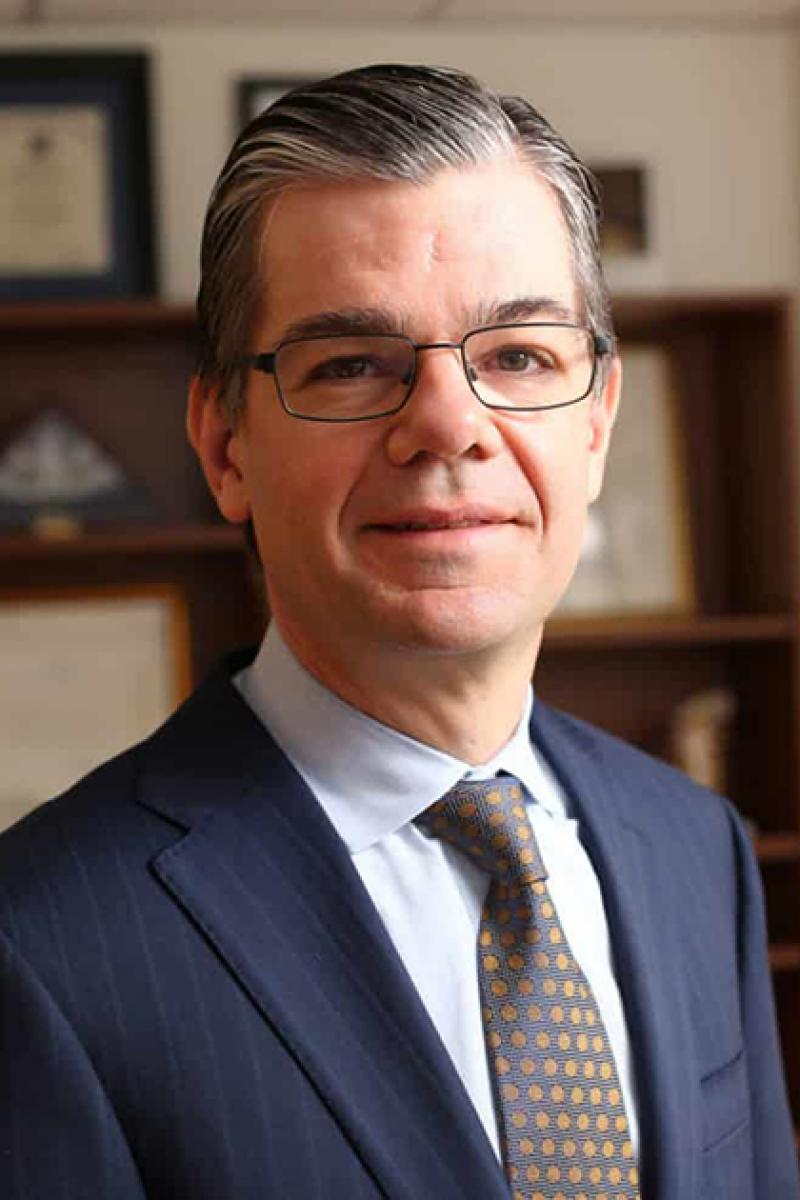
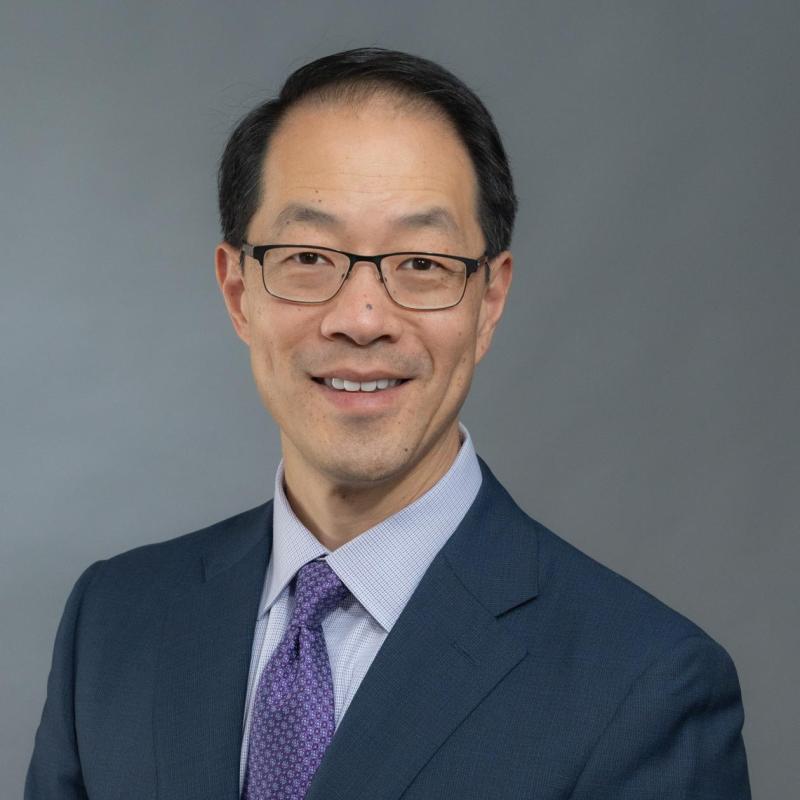
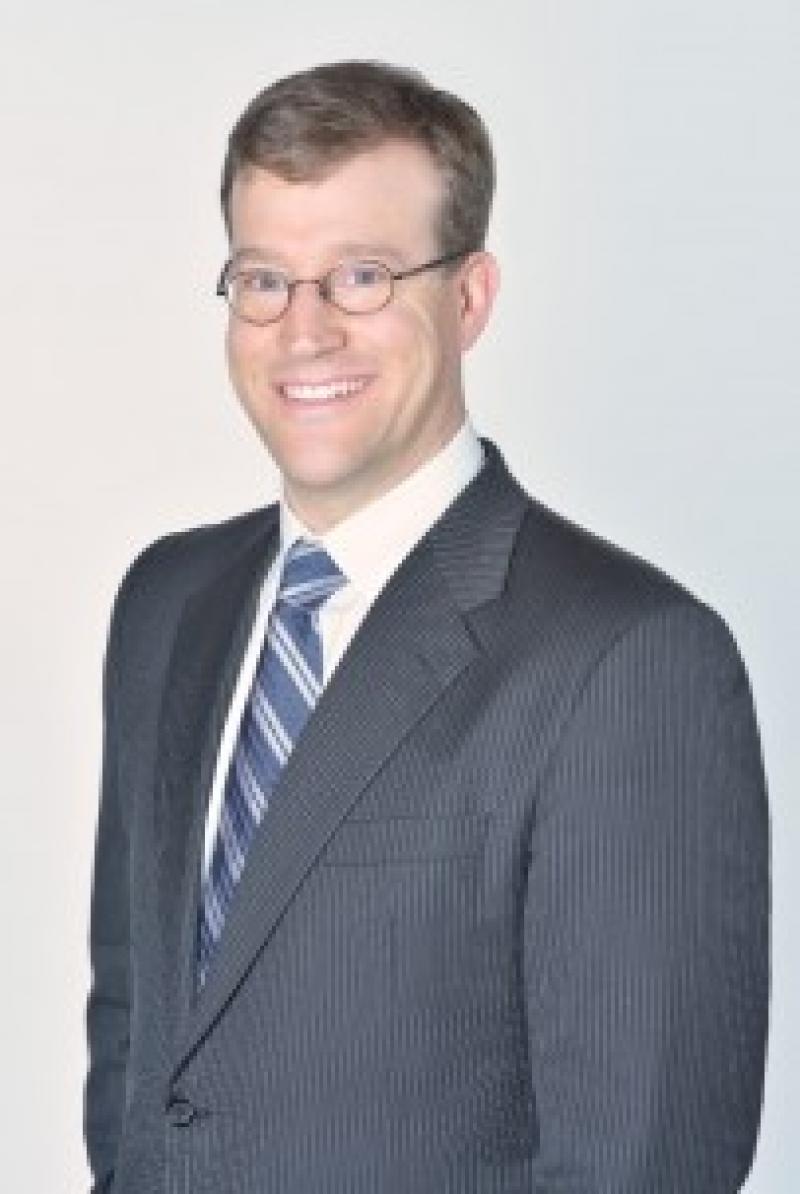
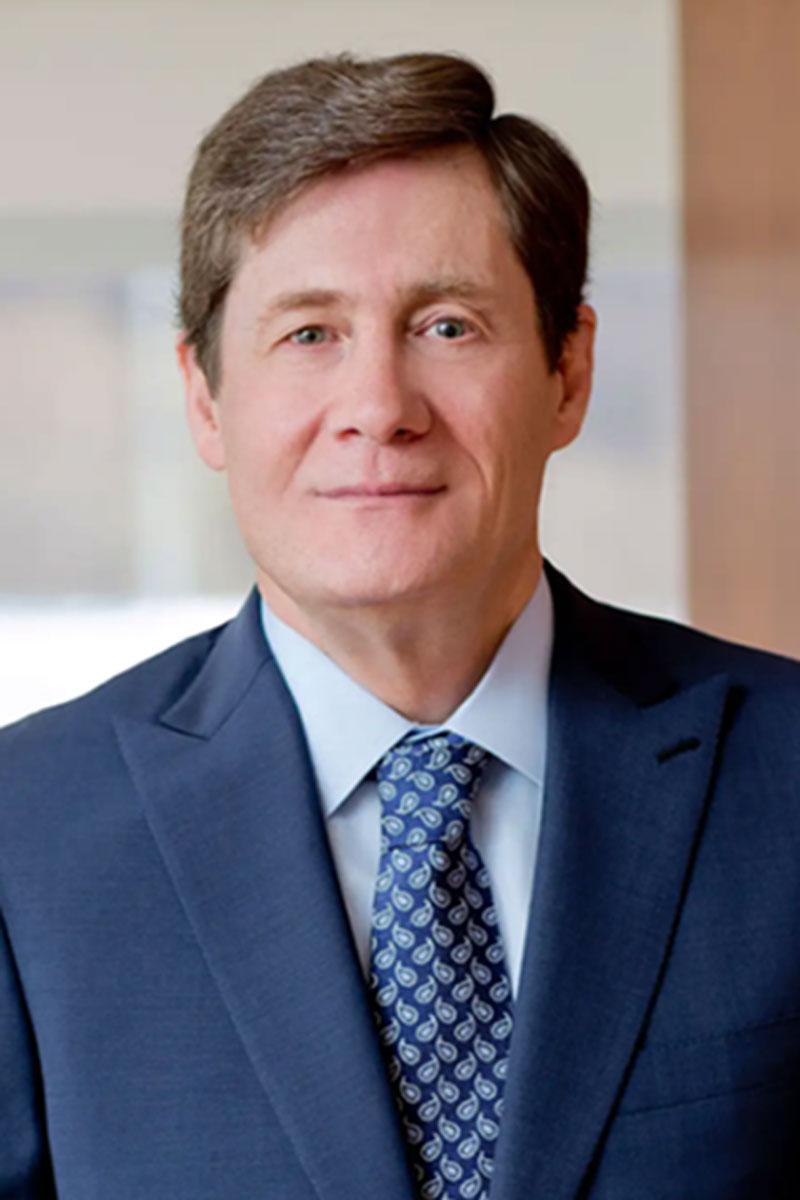
Meet Our Team

Patient Stories
-
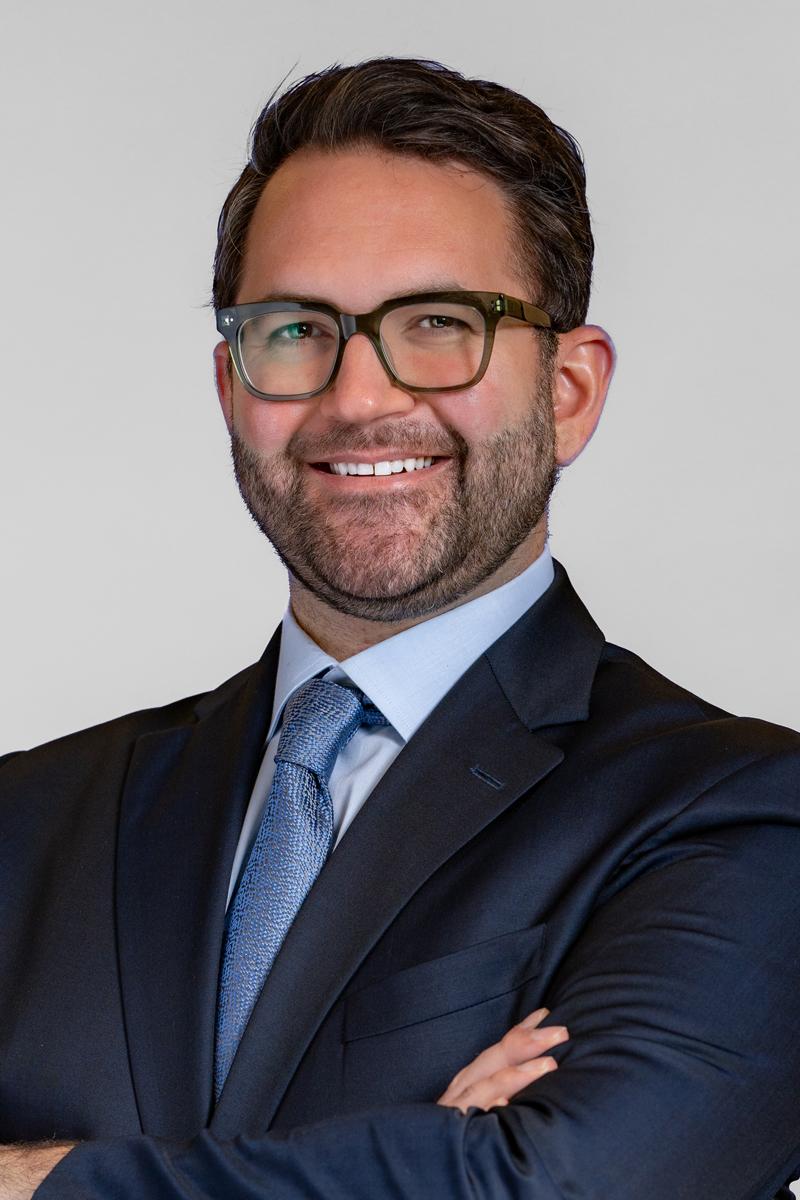
A patient story featuring minimally invasive spine surgery for disc herniation performed by Dr. Andrew K. Chan.
-
When doctors found a tumor on Chuck Myers' spine, he turned to Dr. Paul McCormick at Columbia and the Och Spine Hospital for world-class care.
-
Like a lot of kids, eleven-year-old Marco was diagnosed with scoliosis during a routine check-up with his pediatrician.
-
In spite of having problems with her spine as a child, Elizabeth Sachs lived a pretty active, pain-free life. When she was 65 she began to have pain, and some trouble walking.
-
When Carly Hirschberg went to see Dr. Feldstein about her Chiari malformation, she ended up with more than she ever imagined: a symptom-free life and a start on the path to practicing medicine.

Related News
- April 15, 2024
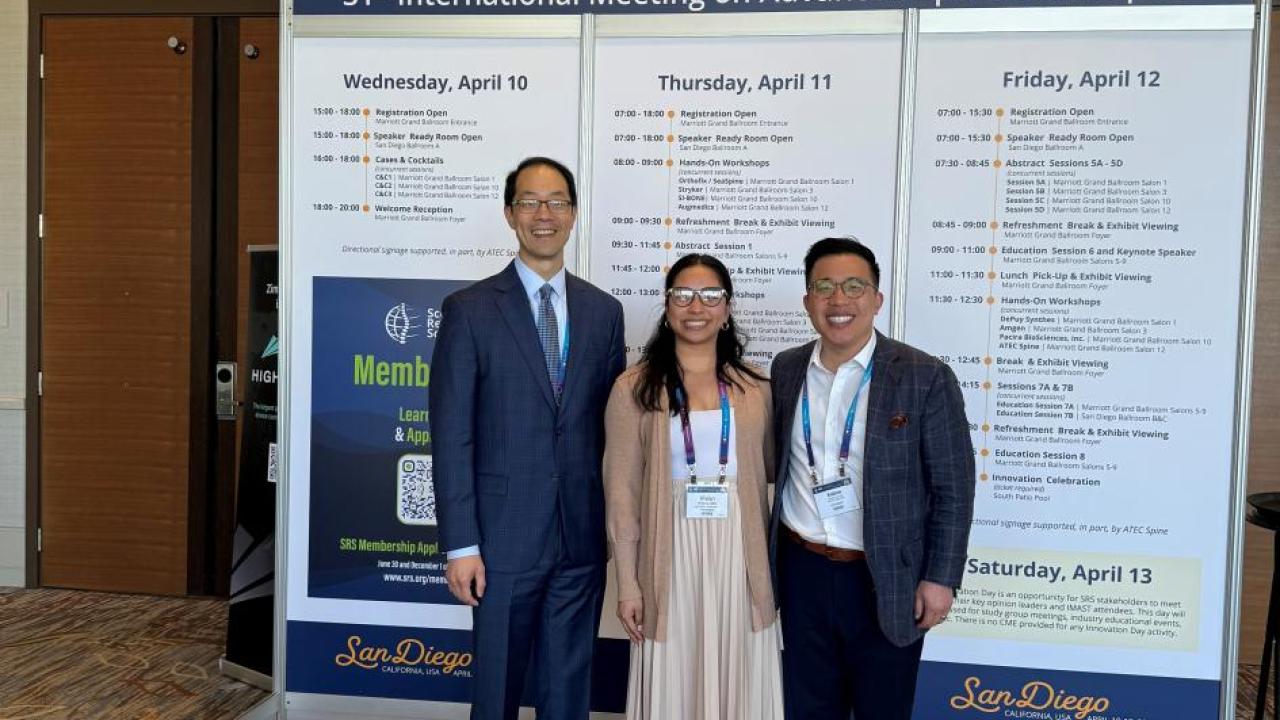
Dr. Dean Chou, Dr. Andrew Chan and Spine Clinical Research Manager Vivian Le traveled to San Diego for the 31st International Meeting on Advanced Spine Techniques (IMAST).
- February 29, 2024
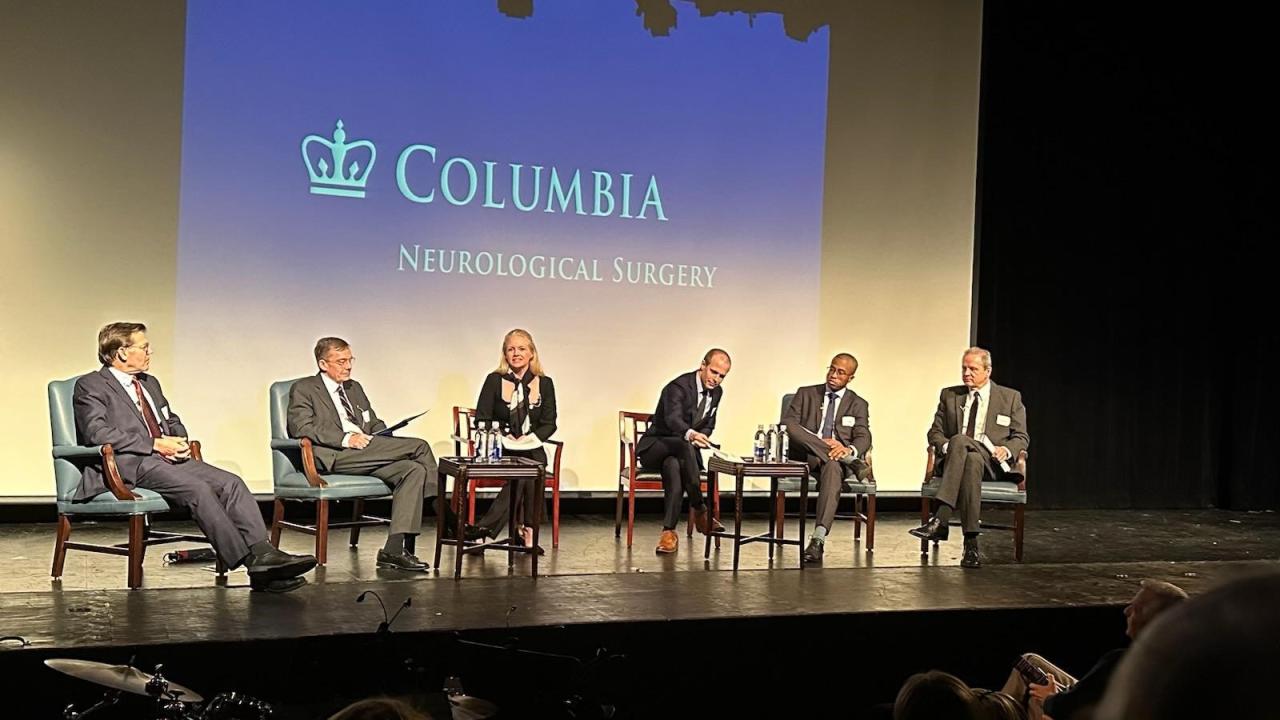
Columbia Neurosurgery presented the Translational Research Initiative with The Brunswick School in Greenwich, CT.
- February 26, 2024
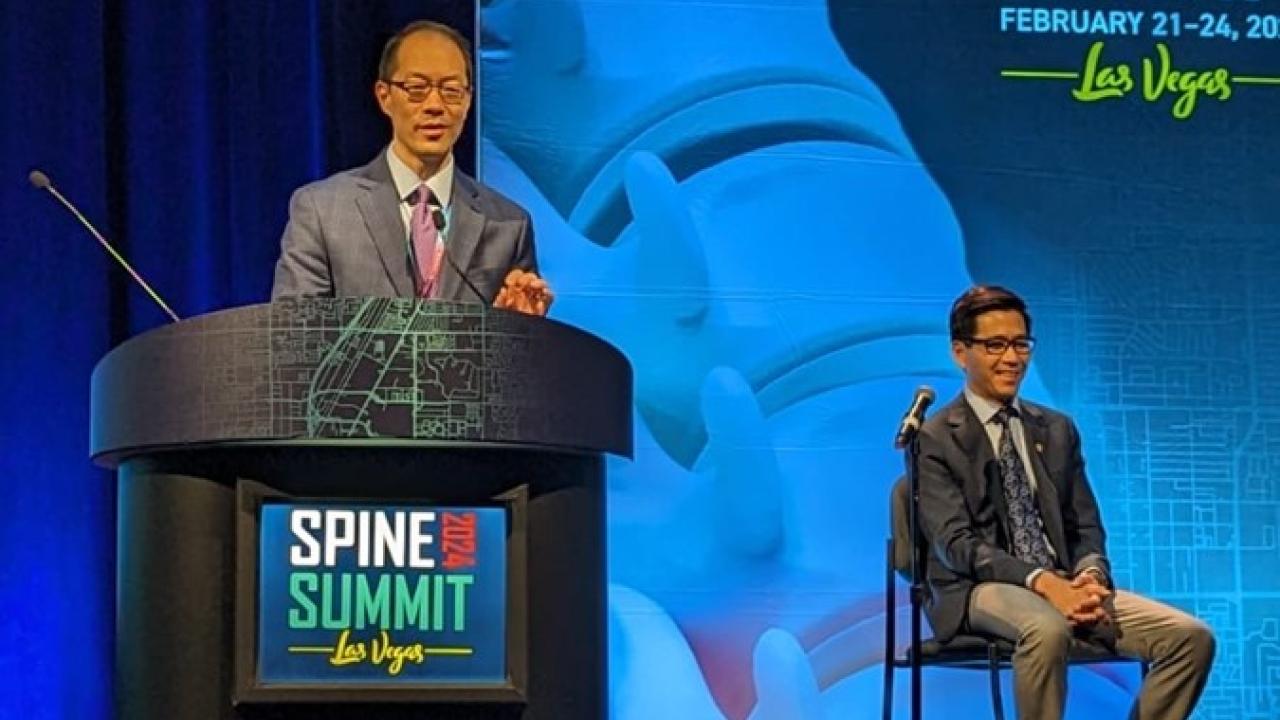
Columbia Neurosurgery's Spine Division members, Dr. Dean Chou, Dr. Andrew Chan, Paytyn Leveto, NP and Vivian Le, Spine Clinical Research Manager, traveled to Las Vagas for the 2024 Spine Summit
- December 8, 2023
Dr. Dean Chou, Dr. Peter Angevine and Dr. Andrew Chan, served as invited speakers at the 9th Annual International Spinal Deformity Symposium, the world's leading forums on spinal deformities.
- November 22, 2023
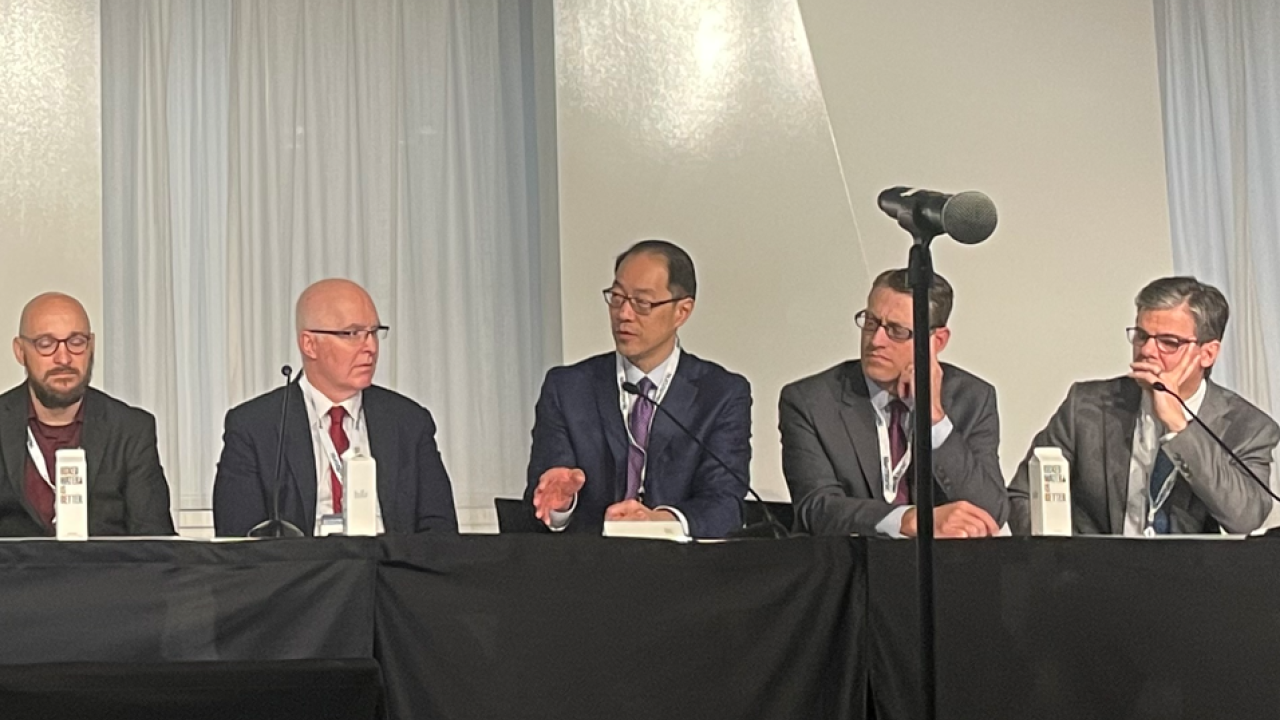
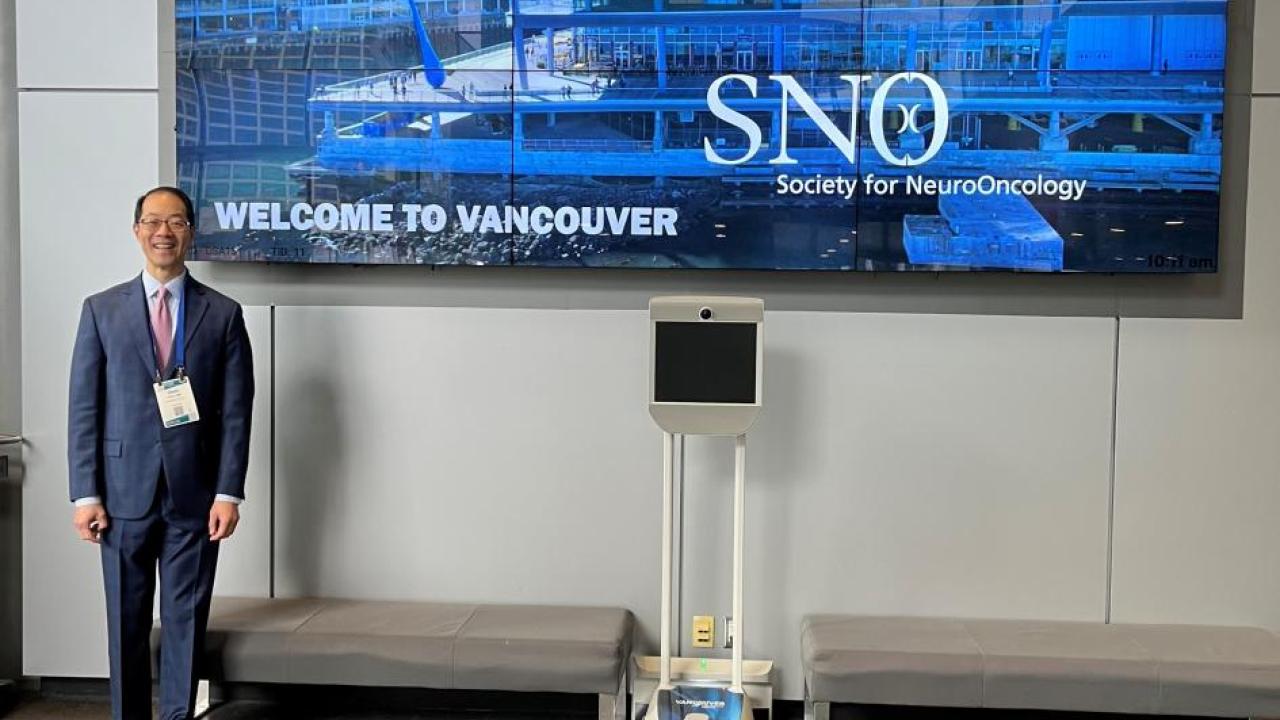
Dean Chou presented at the Society of Neuro-Oncology (SNO), the world’s largest neuro-oncology conference, attracting over 2600 researchers and clinician scientists from over 40 countries.
- 1 of 4
- next
What to Expect
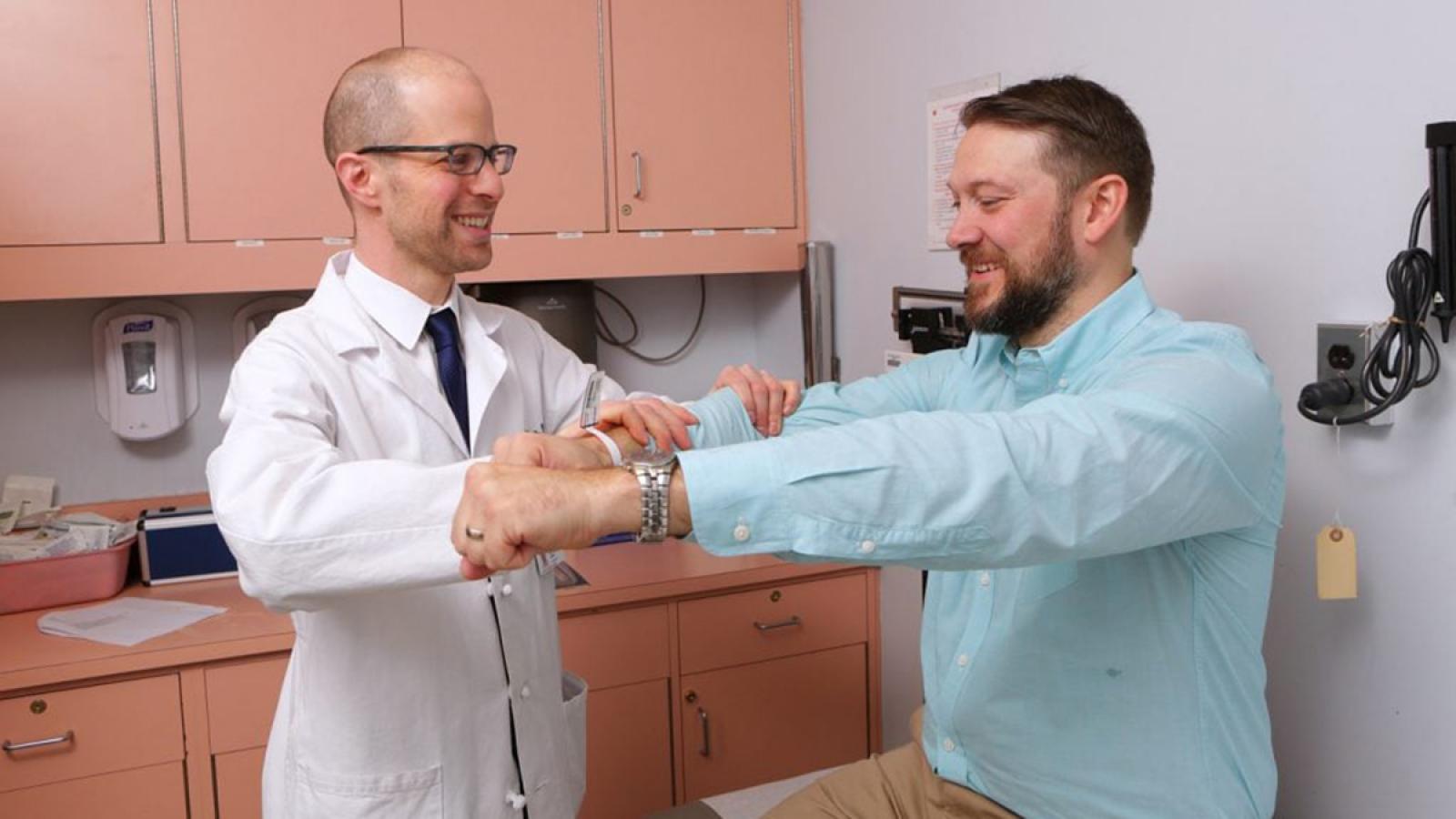
Our goal is to provide all patients with exceptional care, including taking uncertainty out of the process as much as possible.