Temporal Lobe Epilepsy
Make an Appointment
Our team of dedicated access representatives is here to help you make an appointment with the specialists that you need.
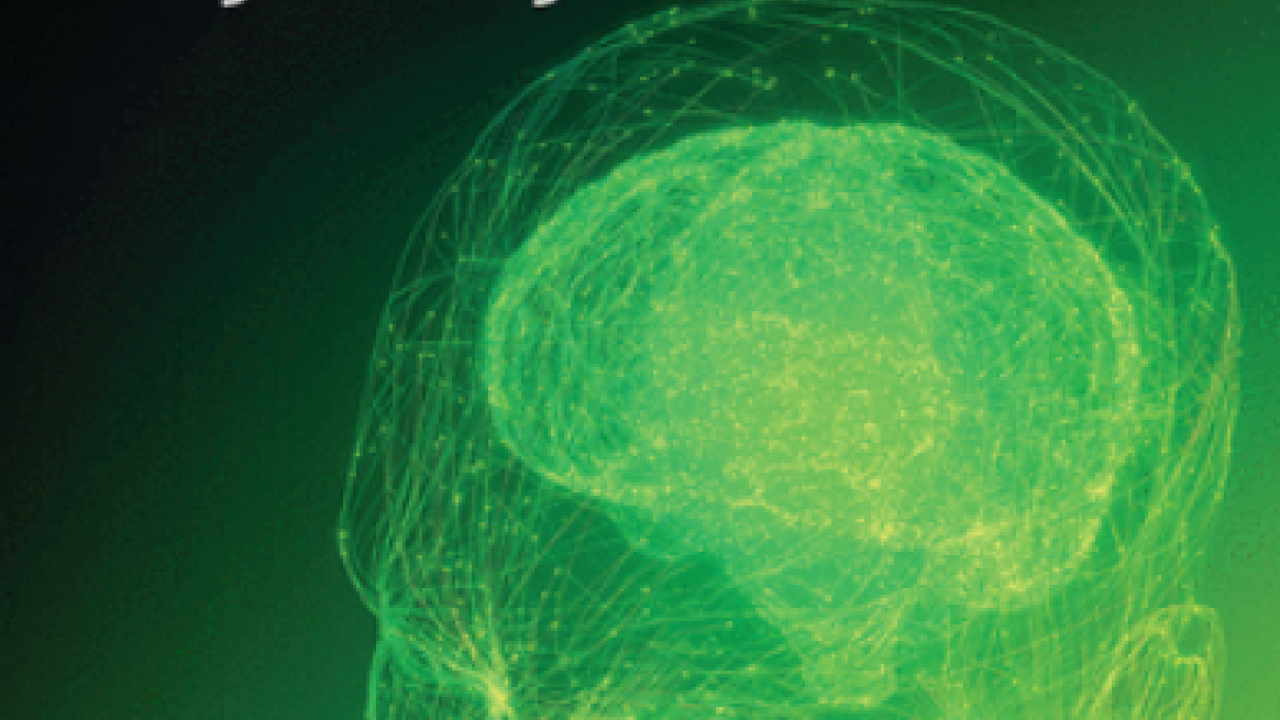
The brain is divided into sections called lobes—the frontal, temporal, occipital, and parietal. When the initiation point of recurrent seizures can be traced to the temporal lobe, it is known as temporal lobe epilepsy. Temporal lobe epilepsy may be caused by an injury to the brain, such as a traumatic injury or infection. There are many other causes such as brain tumors, vascular malformations, and developmental abnormalities.
Symptoms
The partial (focal) seizures may occur in patients of any age, with or without aura (a neurological warning, such as a sense of fear, an unpleasant smell, or change in perception), and can have a variety of symptoms, including rhythmic muscle contractions, abnormal movements, and abnormal sensations. Sometimes these local seizures can progress to generalized seizures that affect the whole brain.
Mesial temporal sclerosis usually results in partial (focal) epilepsy. This seizure disorder can cause a variety of symptoms such as strange sensations, changes in behavior or emotions, muscle spasms, or convulsions. The seizures usually are localized in the brain, but they may spread to become generalized seizures, which involve the entire brain and may cause a sudden loss of awareness or consciousness.
Diagnosis
Diagnostic techniques, such as electroencephalograms (EEGs), video-EEG telemetry (vEEG), computed tomography (CT), magnetic resonance imaging (MRI), positron emission tomography (PET), and single photon-emission computerized tomography (SPECT) are used to assess and visualize abnormalities and structural problems associated with epilepsy that may be targets for surgery. Functional testing, including neuropsychological testing, functional magnetic resonance imaging (fMRI), and WADA testing, may be used prior to surgery to define vital regions of the brain and limit risks associated with removal of the epileptic zone.
Treatments
Although some patients can control their seizures with anti-epileptic medication, temporal lobe epilepsy is a condition that often is amenable to surgery. Because the seizures are localized and have an identifiable source in the brain, the removal of all or part of the temporal lobe, called a temporal lobectomy, often can stop the seizures entirely.
Temporal lobectomy is the most common epilepsy surgery and is associated with high success rates and low complication rates. One recent study registered a success rate (defined by how many patients were seizure-free at one year) close to 60 percent, compared with 8 percent among patients given medication alone. Clinical experience and careful patient selection may push this number even higher. Other studies have reported higher success rates for carefully selected temporal lobe seizure patients.
Some physicians still consider temporal lobectomy an extreme procedure, citing the risks of side effects, including loss of memory, visual disturbances, and emotional change, associated with the removal of brain tissue. However, such side effects are minimized by careful patient selection and a battery of neurological tests that indicate where resection can be made to minimize effects on neurological function. Also, experts state that the portion of the brain being removed already is behaving abnormally, and therefore its removal does not usually have a profound detrimental effect on brain function.